Skip to content


If you’re a business owner or digital marketer in Kenya, one question probably keeps coming up: How much should I expect to pay for SEO services? In today’s fast-evolving online market, SEO isn’t just an option — it’s a necessity to stay competitive. But SEO pricing can be confusing and, at times, unpredictable.
This article dives deep into SEO prices in Kenya — breaking down what affects cost, what typical service packages look like, and how you can make the best choice without burning your budget. Whether you’re running a small shop in Kisumu or a startup in Nairobi, this guide will help you get a clear picture.
Table of Contents
ToggleWhat Exactly Is SEO, and Why Does It Matter?
Before we talk prices, let’s quickly revisit what SEO is. SEO, or Search Engine Optimization, is the art and science of helping your website rank higher on search engines like Google. Think of it as the process of making your business visible online when someone searches for what you offer.
Why is this important in Kenya? With more than half of Kenyans using mobile internet and a growing e-commerce landscape, being found online can make or break your business. SEO helps you tap into this digital audience organically, without paying for ads.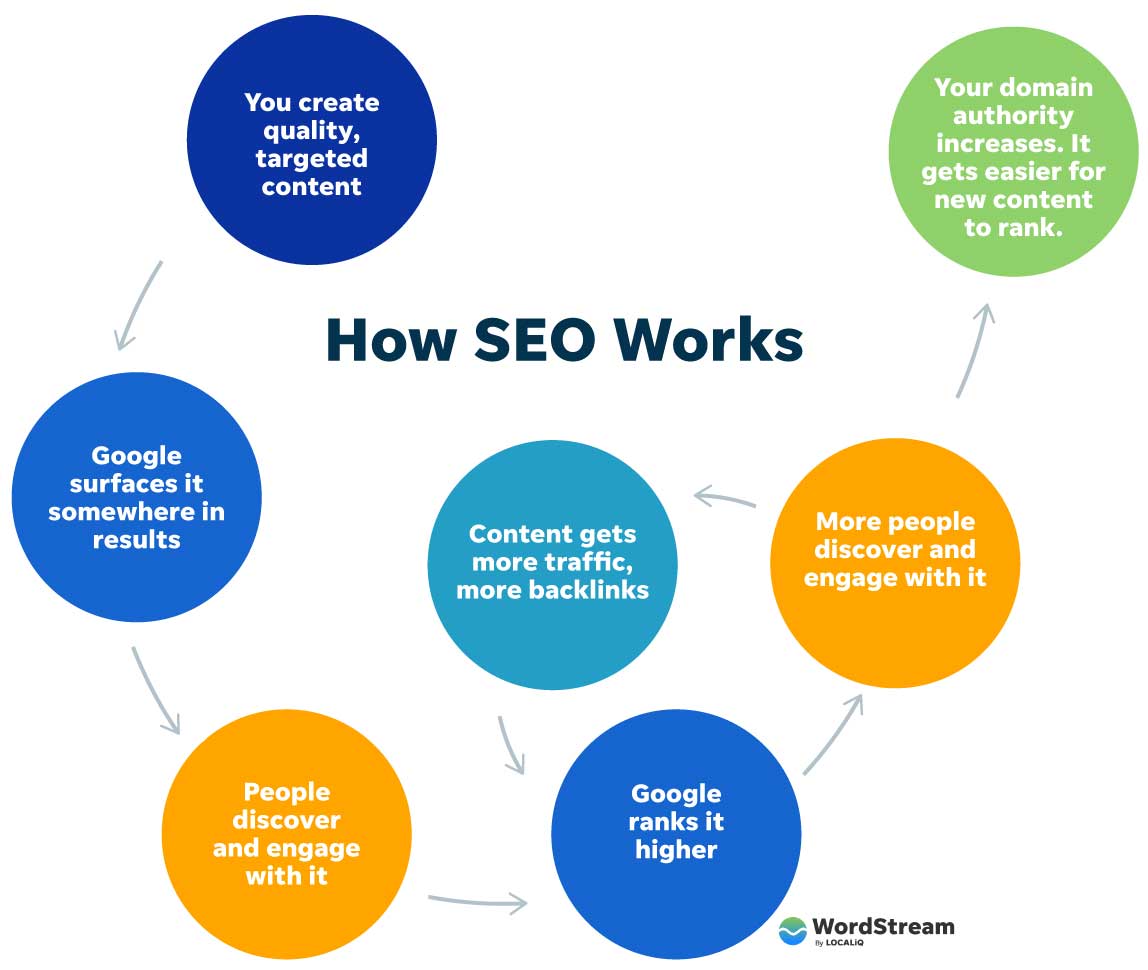
Factors That Influence SEO Prices in Kenya
SEO pricing varies widely in Kenya — from as low as KES 10,000 a month to over KES 100,000 monthly for bigger projects. But what drives these differences? Let’s unpack the main factors:
1. Scope of the Project
Are you looking for a simple website audit and basic on-page fixes, or a full-scale SEO strategy with content creation, link building, and technical optimizations? Naturally, the bigger the project, the higher the cost.
2. Competition Level
If you’re in a crowded industry like real estate or online retail, expect to pay more because outranking established competitors requires more work.
3. Experience of the Provider
Freelancers usually charge less but might lack access to premium tools and teams that agencies have. Agencies charge more but offer a comprehensive service.
4. Location Targeting
Focusing on local SEO (e.g., “plumber in Nairobi”) is cheaper than targeting nationwide or even international markets.
5. Tools and Technology
Top SEO providers invest in paid tools like SEMrush, Ahrefs, and SurferSEO. The subscription cost sometimes influences pricing.
 Common SEO Pricing Models in Kenya
Most SEO providers in Kenya use one of the following pricing models:
-
Monthly Retainer: You pay a fixed fee monthly for ongoing services like content updates, link building, and monitoring. Typical costs range from KES 15,000 to KES 100,000+ depending on scope.
-
Project-Based: A one-time payment for specific tasks such as a website audit or launch SEO. Prices usually start from KES 30,000.
-
Hourly Rate: Ideal for consultations or limited tasks. Expect to pay between KES 2,000 and KES 10,000 per hour.
-
Performance-Based: Paying based on results like ranking improvements or traffic boosts is rare in Kenya due to SEO’s unpredictable nature.

Typical SEO Packages You’ll Find in Kenya
Let’s explore what you’re likely to get for different budgets:
Basic Package (KES 15,000 – 30,000/month):
-
Keyword research for a handful of keywords
-
Basic on-page SEO fixes
-
Google Business Profile setup
-
Simple monthly reports
Good for new businesses just starting out.
Standard Package (KES 30,000 – 60,000/month):
-
Everything in Basic
-
2-4 SEO-optimized blog posts per month
-
Link building on low-authority sites
-
Mobile and speed optimization
-
Competitor monitoring
Ideal for growing companies.
Premium Package (KES 60,000 – 100,000+/month):
-
Comprehensive keyword research (20+ keywords)
-
Content marketing strategy and regular posts
-
High-quality backlink acquisition
-
Technical SEO audits and fixes
-
Detailed custom reports
Best suited for competitive niches and larger businesses.
Freelancers vs. Agencies: Which Should You Choose?
If budget is tight, freelancers can be a good start. They tend to charge between KES 10,000 and KES 50,000 monthly and offer flexibility. However, their capacity might be limited.
Agencies are pricier, starting around KES 30,000 and going above KES 100,000 monthly, but they bring a team, advanced tools, and structured processes. For businesses targeting bigger markets or more competitive keywords, agencies often deliver better long-term results.
How to Avoid SEO Scams and Overpriced Services
SEO in Kenya has its share of questionable providers. To protect yourself:
-
Ask for case studies and references. Legitimate agencies will show past successes.
-
Beware of “guaranteed #1 rankings” — no one can promise that.
-
Insist on monthly reports with real data.
-
Start small and scale up after seeing results.
The Growing Importance of Local SEO
For many Kenyan businesses, local SEO is a game-changer. Optimizing your Google Business Profile, earning positive reviews, and getting listed on local directories can bring in highly targeted customers at a lower cost.
Local SEO packages usually cost between KES 10,000 and KES 40,000 per month, making it affordable for most SMEs.
Trends Shaping SEO Pricing in Kenya Today
-
Voice Search Optimization: As voice assistants grow popular, optimizing content for voice queries is becoming essential.
-
AI-Powered Content Tools: While AI tools help speed up content creation, human oversight is vital to maintain authenticity and quality.
-
Mobile-First Indexing: Google prioritizes mobile-friendly websites, so providers focus more on speed and responsiveness.
-
Video SEO: Kenyan businesses are increasingly using YouTube and social media videos to boost SEO.
How to Choose the Right SEO Provider in Kenya
Finding the perfect SEO partner can feel overwhelming, but it doesn’t have to be. Here are some practical tips to help you make an informed decision:
1. Look Beyond the Price Tag
While budget matters, don’t choose solely based on the cheapest offer. Extremely low prices often mean shortcuts, outdated methods, or inexperienced providers. Conversely, the priciest options aren’t always the best either. Aim for value: quality work at a fair price.
2. Check Their Track Record
Ask for examples of past clients and results. Genuine agencies will happily share case studies or testimonials. If possible, contact some of their former or current clients to hear firsthand about their experience.
3. Understand Their Strategy
A good SEO provider will explain their plan clearly. They should talk about keyword research, content creation, link building, and technical fixes — not just promises of “more traffic.” Avoid those who guarantee instant results or rankings, as SEO takes time.
4. Communication is Key
Regular updates and transparent reporting are essential. Your provider should keep you in the loop on progress, challenges, and next steps. If they’re hard to reach or don’t share data, consider that a red flag.

Measuring SEO Success: What Should You Track?
Once you start your SEO journey, knowing if it’s working is vital. Here are some key metrics to monitor:
-
Organic Traffic: The number of visitors coming from search engines. Growth here indicates better visibility.
-
Keyword Rankings: Track how your targeted keywords rank over time. Improvement means your SEO efforts are paying off.
-
Bounce Rate: The percentage of visitors who leave quickly. A high bounce rate might mean your site isn’t relevant or user-friendly.
-
Conversion Rate: Are visitors taking desired actions like buying, signing up, or calling? SEO is great, but turning visitors into customers is the real goal.
-
Backlinks: Quality backlinks from reputable sites boost your authority and rankings.
Using tools like Google Analytics and Google Search Console can give you this data for free.

DIY SEO: What You Can Do Yourself
If hiring a professional isn’t in your budget yet, some SEO basics you can handle on your own include:
-
Claim Your Google My Business Profile: This improves local search visibility.
-
Optimize Your Website Titles and Descriptions: Make sure they include your main keywords naturally.
-
Create Quality Content: Regular blog posts or updates related to your industry help attract visitors.
-
Ensure Mobile Friendliness: Use Google’s Mobile-Friendly Test tool to check your site.
-
Build Relationships for Backlinks: Connect with local bloggers or businesses to earn links.
DIY SEO takes time and effort but can lay a strong foundation for future growth.
The Role of Content in SEO Pricing
Content creation is often one of the most significant expenses in SEO, but it’s also one of the most important. Quality content attracts visitors, builds trust, and earns backlinks. In Kenya, writing relevant, engaging, and keyword-optimized content can cost anywhere between KES 1,500 and KES 5,000 per page or blog post, depending on complexity.
Good content writers understand local context, language nuances, and what resonates with Kenyan audiences — factors that generic content can’t replicate.
Technical SEO: The Backbone of Your Website’s Ranking
Technical SEO involves behind-the-scenes work like improving site speed, fixing broken links, setting up correct redirects, and ensuring your website’s structure is crawlable by search engines.
Although technical SEO may not be obvious to visitors, it’s crucial. A slow or poorly organized site can hurt rankings. Technical SEO services in Kenya typically range from KES 30,000 to KES 100,000 depending on site size and issues.
Link Building: Quality Over Quantity
Getting backlinks from trustworthy websites signals to Google that your site is credible. However, not all links are equal. Low-quality or spammy links can harm your SEO.
In Kenya, ethical link-building services involve reaching out to relevant local blogs, business directories, and news sites. This personalized approach costs more but is worth it in the long run. Monthly link-building packages often range from KES 15,000 to KES 60,000.
SEO Challenges Unique to Kenya
Kenya’s digital market has unique challenges that impact SEO pricing and effectiveness:
-
Internet Speed and Infrastructure: Though improving, inconsistent internet speeds can affect user experience and SEO.
-
Language Diversity: With over 40 local languages, creating localized content is complex but valuable.
-
Limited SEO Awareness: Many businesses still underestimate SEO’s importance, leading to inconsistent investment.
-
Emerging Market: Kenya’s SEO industry is growing, meaning prices and service quality vary widely.
Understanding these challenges helps set realistic expectations when budgeting for SEO.

Why SEO is Worth Every Kenyan Shilling
Despite the costs, SEO remains one of the best investments for Kenyan businesses looking to grow online. Paid ads can bring quick traffic but stop the moment you pause spending. SEO builds a lasting online presence, attracting free organic traffic and boosting brand trust.
In the long run, SEO can lower your overall marketing costs while increasing leads, sales, and customer loyalty.

How to Measure SEO ROI for Kenyan Businesses
One question many Kenyan business owners ask is: Is SEO really worth the money? Measuring return on investment (ROI) can sometimes feel tricky because SEO results take time and aren’t always directly linked to sales like paid ads.
Here are some practical ways to evaluate your SEO success:
Track Organic Traffic Growth
An increase in visitors coming from Google and other search engines shows your SEO efforts are driving visibility. Use Google Analytics to compare monthly or quarterly data.
Monitor Keyword Rankings
Keep an eye on where your important keywords rank. If your business targets “digital marketing Kenya” or “affordable plumbers Nairobi,” rising positions mean better chances of customer discovery.
Assess Conversion Rates
More visitors don’t always mean more sales. Make sure your website converts visitors by measuring actions like contact form submissions, phone calls, or purchases.
Calculate Cost Per Lead
Divide your SEO spend by the number of leads generated. This metric helps compare SEO with other marketing channels.
Evaluate Customer Lifetime Value
If SEO brings in customers who stay long-term, the value of your SEO investment multiplies beyond immediate sales.
Remember, SEO is a marathon, not a sprint. Expect steady growth over 6 to 12 months, with compounding benefits afterward.
Creating an SEO-Friendly Website for Kenyan Businesses
Your website is the foundation of any SEO campaign. Here’s how to make it SEO-friendly from the ground up:
Optimize Site Speed
Slow-loading sites frustrate users and hurt rankings. Tools like Google PageSpeed Insights can identify bottlenecks. Consider lightweight themes and compress images.
Use Clear, Descriptive URLs
Avoid complicated or random strings. A URL like www.example.co.ke/services/plumbing-nairobi is better than www.example.co.ke/page?id=123.
Design for Mobile Users
Kenyan internet users mostly browse on phones. Responsive design ensures your site looks great and works well on any device.
Implement Proper Heading Structure
Use H1 for your main page title, H2 for sections, and H3 for subsections. This hierarchy helps search engines understand your content.
Add Meta Titles and Descriptions
Craft unique, keyword-rich titles and meta descriptions for every page. These snippets appear on Google and influence click-through rates.
Include Internal Links
Guide visitors and search engines through your site by linking related pages naturally.
SEO Mistakes Kenyan Businesses Should Avoid
While SEO is powerful, some common pitfalls can waste your time and money:
Keyword Stuffing
Overloading content with keywords makes it unreadable and can lead to Google penalties. Focus on natural usage.
Ignoring Local SEO
If you serve customers in Nairobi, Mombasa, or Kisumu, neglecting local SEO means missing out on ready-to-buy customers nearby.
Not Updating Content
Fresh content signals activity and relevance to Google. Old, outdated pages can slip in rankings.
Buying Cheap, Low-Quality Links
Avoid link schemes or spammy backlinks — they harm your reputation and rankings.
Skipping Analytics Setup
Without tracking tools, you’re flying blind. Set up Google Analytics and Search Console from day one.
How Long Does SEO Take to Show Results in Kenya?
Patience is key with SEO. Typically, you can expect to see noticeable improvements between 3 to 6 months, but full benefits often take 9 to 12 months or longer. Several factors influence this timeline:
-
Competition intensity in your niche
-
Quality and quantity of content
-
Website technical health
-
Backlink profile strength
-
Consistency of SEO efforts
SEO isn’t a one-off task — it requires ongoing optimization, monitoring, and adaptation.
Why Local SEO is a Game Changer for Kenyan Businesses
If you run a business in Kenya, especially one serving customers in a particular city or region, local SEO should be your top priority. Unlike broad SEO, local SEO focuses on helping your business appear in searches tied to geographic locations. For example, when someone types “best coffee shop in Nairobi” or “affordable car mechanic in Mombasa,” your business needs to pop up right there.
How to Boost Your Local SEO:
-
Claim and Optimize Your Google My Business Profile: This is often the first thing customers see. Make sure your address, phone number, business hours, and photos are accurate and updated.
-
Encourage Customer Reviews: Positive reviews not only build trust but also improve rankings. Politely ask satisfied customers to leave honest feedback online.
-
List Your Business on Local Directories: Sites like Yellow Pages Kenya and local chamber of commerce websites can increase your visibility.
-
Use Location-Based Keywords: Include city or neighborhood names naturally in your website content and meta tags.
-
Create Localized Content: Blog about events, news, or topics relevant to your community.
Local SEO is affordable and highly effective, especially for small and medium-sized enterprises (SMEs). Investing in this area often brings faster, more targeted results than generic SEO efforts.
How Content Marketing Influences SEO Prices in Kenya
Content is king, as the saying goes. In the Kenyan market, content marketing plays a crucial role in SEO success. Good content attracts visitors, educates potential customers, and encourages sharing — all factors that improve search engine rankings.
What kind of content works best?
-
Blog Posts: Share tips, industry news, or how-to guides relevant to your audience. For example, a Nairobi-based travel agency might write about “Top 10 Safari Destinations Near Nairobi.”
-
Videos: Video content is increasingly popular in Kenya, especially on platforms like YouTube and Facebook. Short, engaging videos can boost your site’s SEO and social reach.
-
Infographics and Visuals: These make complex information easier to digest and shareable.
-
Customer Testimonials and Case Studies: Real stories build trust and provide fresh, keyword-rich content.
In Kenya, professional content writing costs vary, but high-quality, well-researched articles often fall between KES 2,000 to KES 5,000 per piece. While this may seem costly, quality content pays off by drawing consistent, engaged traffic.
Understanding the Importance of Technical SEO in Kenya’s Growing Digital Market
Many Kenyan businesses overlook technical SEO, but it’s the backbone that supports everything else. Technical SEO ensures search engines can crawl, index, and rank your website efficiently.
Common technical SEO tasks include:
-
Fixing broken links and redirects
-
Optimizing website speed, especially important since mobile data can be slow or expensive for many Kenyans
-
Creating an XML sitemap and submitting it to Google
-
Ensuring your website uses HTTPS for security
-
Structuring data to help search engines understand your content better
Though technical SEO can seem complex, investing in it protects your website from ranking drops and provides a smoother experience for visitors.
Prices for technical SEO audits and fixes in Kenya typically range from KES 30,000 to KES 80,000, depending on site size and issues. Given how foundational this is, it’s a worthwhile expense.
Why Some SEO Agencies in Kenya Charge Premium Prices
If you notice some SEO agencies in Kenya charging more than others, it’s often because they provide additional value beyond basic optimization.
Here are reasons premium agencies may cost more:
-
Proven Track Record: Agencies with long-term success stories and recognized brands can command higher fees.
-
Comprehensive Services: From content creation, technical SEO, link building, to social media integration — full-service agencies often charge a premium.
-
Custom Strategies: Tailored SEO plans designed to meet specific business goals rather than generic packages.
-
Advanced Tools and Analytics: Investing in expensive SEO tools allows them to provide better insights and faster results.
-
Dedicated Account Managers: Personal support and consistent communication improve client experience.
For businesses ready to scale and compete nationally or internationally, paying for premium SEO services can deliver better returns.
DIY SEO Tools for Kenyan Businesses on a Budget
Not every business can immediately afford professional SEO services, and that’s okay. Luckily, many tools exist that can help you take control of your SEO journey, even with limited resources:
-
Google Search Console: A free tool to monitor your website’s performance, fix errors, and see what keywords bring traffic.
-
Google Analytics: Tracks visitor behavior, traffic sources, and conversion rates.
-
Ubersuggest: Offers keyword research and site audits with a generous free plan.
-
AnswerThePublic: Great for discovering questions people ask around your topic, helping you create targeted content.
-
Canva: Design visuals and infographics easily without graphic design experience.
Combining these tools with consistent effort — like regularly updating your blog or optimizing page titles — can move the needle even without a big budget.
Staying on Top of SEO Trends in Kenya: What Works
You know how things change fast in the digital world, right? SEO is no different. What worked six months ago might not cut it today. For Kenyan businesses, keeping up with these changes can be a bit overwhelming, but it’s important if you want to stay ahead.
One good way is to keep an eye on popular blogs and websites that talk about SEO—sites like Moz or Neil Patel have useful info. But honestly, some of the best tips come from other Kenyans who have been through the same journey. Joining local Facebook groups or LinkedIn communities where marketers share their stories is super helpful.
Also, attending workshops or online webinars hosted by Kenyan digital experts can give you a fresh perspective. You meet people, ask questions, and get hands-on advice that actually fits the local market.
And here’s a simple trick: try new things little by little on your website and watch how your visitors react. If your traffic improves or you get more calls, that’s a good sign. If not, you tweak and try again.
Finally, signing up for newsletters from trusted SEO pros means you get bite-sized updates without having to spend hours reading.
Why Social Proof Really Matters for Your Kenyan Business
Let me tell you, in Kenya, word of mouth is everything. When someone recommends a good mechanic or a nice café, we trust that more than any fancy ad. That’s why social proof — things like reviews and testimonials — plays a huge role in SEO and marketing.
If your customers leave reviews on Google or Facebook, it not only helps other people trust you but also shows Google that your business is active and reliable. So don’t be shy to ask happy customers to drop a quick review.
Put those reviews on your website where everyone can see them. Maybe a little “What our customers say” section on your homepage. It makes your site more trustworthy and adds fresh content for Google to crawl.
And when customers mention your business on social media, that’s like a mini endorsement. It spreads your name around and can even bring backlinks, which are great for SEO.
Mobile Payments and SEO: A Perfect Pair in Kenya’s Market
Kenya is famous for M-Pesa, right? It’s changed how people pay for things, making mobile payments the norm. If your website works well with mobile payments, you’re already ahead.
Imagine someone searching on their phone for “buy groceries with M-Pesa near me” — if your site is easy to navigate and accepts mobile money, you’ve made it super simple for that person to become a customer.
Google notices when users have a good experience on mobile, like fast loading times and smooth checkout processes, and rewards that with better rankings.
So, don’t just focus on SEO keywords; make sure your site actually works well for the mobile user ready to pay on the spot.
SEO Tips for Service Businesses in Kenya: What Actually Works
If you run a salon, a repair shop, or maybe a small consultancy here in Kenya, SEO can really boost your business by helping people find you when they need you most.
Start by using local keywords that people actually type — things like “best salon in Nairobi” or “car repairs in Kisumu.” Don’t just guess; think about how your customers search.
Make sure your website clearly explains your services, pricing, and why you’re better than the rest. And here’s a tip: add a page or two that answers common questions your clients ask. For example, a salon might have a blog post on “How to take care of natural hair in Kenyan weather.”
Customer reviews matter a lot, so ask your clients to leave feedback online and showcase those testimonials on your site.
Finally, don’t forget to optimize for “near me” searches — many people search for services closest to them, especially on their phones.
How to Choose the Right SEO Agency in Kenya Without Getting Ripped Off
Finding a good SEO company in Kenya can feel like a maze. There are many agencies promising quick results, but not all of them deliver. Here’s some advice from someone who’s been through the process:
Check Their Track Record
Ask to see case studies or client testimonials. A reliable agency will happily share examples of businesses they’ve helped grow, especially local ones.
Avoid Unrealistic Promises
If someone guarantees #1 rankings on Google in a week, be skeptical. SEO takes time and effort. Look for agencies that talk about steady growth and sustainable results.
Look for Transparent Pricing
Good agencies explain what you’re paying for — content creation, link building, technical fixes, etc. Avoid firms that hide costs or add surprise fees later.
Ask About Their Strategy
A professional agency should explain their approach clearly. They’ll tailor tactics to your business, not just apply cookie-cutter solutions.
Communication is Key
You want regular updates and easy access to your SEO team. If they’re hard to reach or vague, that’s a red flag.
Choosing the right partner can save you money and headaches, so take your time and trust your gut.
How Content Quality Affects SEO Prices in Kenya
Content is the heartbeat of SEO. But quality content doesn’t just mean throwing words on a page. It means writing useful, engaging, and well-researched articles that answer your customers’ questions.
In Kenya, many businesses try to cut corners by hiring cheap writers or using automated content. That rarely works. Google can tell when content is shallow or repetitive, and your rankings suffer.
Hiring a good writer might cost a bit more upfront — say KES 3,000 to KES 6,000 for a 1,000-word article — but the results pay off. You’ll see better traffic, longer visitor time on your site, and more shares on social media.
A helpful tip is to focus on topics your customers really care about. For example, if you’re a Kenyan travel company, write about “Best hidden beaches in Diani” or “How to travel safely in Kenya during the rainy season.”
This kind of content builds trust, keeps people coming back, and improves SEO naturally.
Why Link Building is Still Important — But Do It Right
Backlinks — links from other websites to yours — remain a major ranking factor. But not all links are created equal.
Some companies sell low-quality backlinks from spammy sites, which can hurt your SEO instead of helping. The key is to earn links naturally by producing great content and building relationships.
For Kenyan businesses, this might mean:
-
Partnering with local bloggers to review your products
-
Getting featured in Kenyan news sites or industry blogs
-
Sponsoring local events and getting mentioned online
While link building can be time-consuming, it’s worth investing in the right way. It signals to Google that your site is trusted and relevant.
How COVID-19 Changed SEO and Digital Marketing in Kenya
The pandemic shifted a lot for Kenyan businesses. With lockdowns and social distancing, many companies rushed online for the first time. Suddenly, having a website and a strong SEO presence wasn’t optional — it was survival.
More Kenyans started searching for services and products online, especially via mobile phones. This made mobile SEO and fast-loading sites even more important.
Also, local SEO became crucial as people looked for nearby providers they could trust. Businesses that adapted quickly by improving their websites, creating helpful content, and optimizing for local search saw a jump in customers.
The takeaway? SEO isn’t just marketing — it’s part of your business foundation now. Staying visible online is more critical than ever.
How Small Kenyan Businesses Can Get Started with SEO on a Budget
Starting SEO when you don’t have a big marketing budget can seem tough, but trust me, it’s doable. Many small businesses in Kenya have grown steadily just by focusing on the basics.
First, make sure your business is listed on Google My Business. It’s free and helps your company show up in local searches and on Google Maps. That’s a must-have.
Next, think about the keywords your customers are using. For example, if you run a bakery in Nakuru, people might search “fresh bread Nakuru” or “best cakes Nakuru.” Use these phrases naturally on your website and social media posts.
Also, create simple content that answers questions your customers have. Maybe a blog post like “How to store your homemade bread” or “Top 5 Kenyan wedding cake designs.” This helps your site rank for related searches.
Don’t forget to ask happy customers to leave honest reviews online. Word-of-mouth is huge in Kenya, and online reviews amplify that.
Lastly, be patient. SEO is a long game. Even small improvements add up over time.
Why Mobile Optimization is Vital for Kenyan Websites
In Kenya, most people access the internet through their smartphones. This means if your website isn’t mobile-friendly, you’re missing out on a large chunk of potential customers.
Mobile optimization means your site loads quickly on phones, looks good on small screens, and is easy to navigate. If your site is slow or confusing on mobile, visitors will leave quickly — and Google will notice that.
You can check how mobile-friendly your website is with Google’s Mobile-Friendly Test tool. Fixing issues like large images or tricky navigation can make a big difference.
Since data can be expensive or slow in some parts of Kenya, keeping your site light and fast is not just good for SEO but also respectful to your users.
The Power of Local Language Content in SEO
Kenya is a country of many languages, but most online content is in English or Swahili. Creating content in local languages like Kikuyu, Luo, or Kalenjin can help you reach audiences that might not engage with English-only sites.
Writing blog posts, product descriptions, or even social media updates in these languages can make your business stand out and build trust within communities.
While Google currently prioritizes English and Swahili for search results, there is growing interest and value in local language content as internet penetration grows in rural areas.
If you’re comfortable, mixing languages naturally or including local sayings can also make your site feel more authentic and relatable.
How to Use Social Media to Boost Your SEO Efforts in Kenya
Social media and SEO work hand in hand. Although social signals (likes, shares) don’t directly improve rankings, they help increase your content’s visibility, which can lead to more backlinks and traffic.
For Kenyan businesses, platforms like Facebook, Instagram, and WhatsApp are popular ways to connect with customers. Share your website articles, promotions, or new products there regularly.
Engage with your followers by responding to comments and messages quickly. This builds loyalty and encourages sharing, which spreads your brand organically.
Also, consider collaborations with Kenyan influencers or micro-influencers who can introduce your brand to wider audiences.
Why Consistency Matters in SEO for Kenyan Businesses
One thing many Kenyan business owners overlook is consistency. SEO isn’t a one-time fix; it’s about steadily building your online presence over months and even years.
Think of your website and online profiles like a garden. You don’t plant seeds once and expect a full harvest immediately. You water regularly, pull out weeds, and tend to it bit by bit.
For SEO, that means:
-
Posting fresh content regularly—maybe a blog every two weeks or monthly updates about your products and services.
-
Keeping your business information up to date everywhere — on your website, Google My Business, social media, and directories.
-
Responding to reviews and customer queries promptly, showing you’re active and engaged.
When search engines see your website is frequently updated and reliable, they reward you with better rankings. Plus, customers trust businesses that look active and professional.
How to Track Your SEO Progress Without Confusing Jargon
If you’re new to SEO, all the numbers and terms can seem overwhelming. But tracking your progress doesn’t have to be complicated.
Start with free tools like Google Analytics and Google Search Console. They give you simple reports showing how many people visit your site, which pages they like most, and what keywords bring them there.
Look for these signs that SEO is working:
-
Increasing visitors to your site each month
-
Visitors spending more time reading your pages
-
More phone calls or inquiries coming through your website
-
Higher rankings when you Google your main keywords, like “SEO prices in Kenya” or “best bakery Nairobi”
Set small goals, like boosting your traffic by 10% in three months, and celebrate when you hit them. SEO is a journey, and every little win counts.
Why Every Kenyan Business Should Invest in SEO Today
With Kenya’s internet users growing every year, competition online is heating up fast. Businesses that ignore SEO risk being invisible to customers who are searching on Google and other search engines.
Whether you sell clothes in Kisumu, offer tours in Maasai Mara, or provide digital services in Nairobi, having a strong SEO strategy is a way to level the playing field.
Even with a small budget, smart SEO work can attract local customers, build your brand, and grow your sales without spending a fortune on ads.
The earlier you start and the more consistent you are, the more you benefit over time. SEO is not just a marketing expense—it’s an investment in your business’s future.
SEO Strategies for Kenyan E-commerce Businesses
E-commerce in Kenya has taken off in recent years, with more people shopping online for everything from clothes to electronics. But with so many online stores popping up, how do you make sure your shop gets noticed?
Start by making your product descriptions clear and helpful. Instead of just listing “Samsung phone,” try something like “Affordable Samsung Galaxy phone with 64GB storage, perfect for Nairobi shoppers looking for quality and value.” This helps your site show up when people search for detailed terms.
Another tip: encourage customers to leave reviews on your product pages. Positive reviews don’t just build trust—they add fresh content that helps search engines rank your site higher.
Also, don’t forget about your site’s loading speed. Online shoppers won’t wait around if your pages take too long to load, especially if they’re browsing on mobile data. Compress images and keep your site simple to improve speed.
Finally, use social media to drive traffic. Post new arrivals, sales, or behind-the-scenes photos on Facebook and Instagram. Linking these posts back to your website boosts SEO by increasing visits and potential backlinks.
The Importance of Keyword Research for Kenyan SEO Success
Before you write any content or optimize your website, understanding what your potential customers type into Google is key.
For example, if you own a hotel in Mombasa, people might search “cheap hotels Mombasa beach” or “family-friendly accommodation near Mombasa airport.” Using these exact phrases in your website content increases the chances you’ll appear in search results.
Tools like Google Keyword Planner are free and easy to use. They show you how many people search for certain terms and suggest related keywords you might not have thought of.
Remember, don’t just stuff keywords everywhere. Use them naturally within helpful, engaging content. Write like you’re talking to a customer face-to-face.
How Local SEO Can Help Kenyan Businesses Compete
Local SEO is about making sure your business appears when someone nearby searches for what you offer. It’s perfect for shops, salons, mechanics, and many other businesses relying on walk-in or local customers.
Start by claiming and optimizing your Google My Business profile. Fill out all the information—address, phone number, hours, photos, and a description of your services.
Encourage happy customers to leave reviews. The more positive feedback you get, the more likely you are to appear in the “local pack” on Google, that little box showing three businesses near you.
You can also build local citations by listing your business on local directories like Kenya Business Directory or Yellow Pages Kenya. Just be sure your business name, address, and phone number (NAP) are consistent everywhere.
For Kenyan businesses, showing up for searches like “best butcher in Nairobi” or “affordable plumber in Eldoret” can drive serious foot traffic.
SEO Strategies for Kenyan E-commerce Businesses
E-commerce in Kenya has taken off in recent years, with more people shopping online for everything from clothes to electronics. But with so many online stores popping up, how do you make sure your shop gets noticed?
Start by making your product descriptions clear and helpful. Instead of just listing “Samsung phone,” try something like “Affordable Samsung Galaxy phone with 64GB storage, perfect for Nairobi shoppers looking for quality and value.” This helps your site show up when people search for detailed terms.
Another tip: encourage customers to leave reviews on your product pages. Positive reviews don’t just build trust—they add fresh content that helps search engines rank your site higher.
Also, don’t forget about your site’s loading speed. Online shoppers won’t wait around if your pages take too long to load, especially if they’re browsing on mobile data. Compress images and keep your site simple to improve speed.
Finally, use social media to drive traffic. Post new arrivals, sales, or behind-the-scenes photos on Facebook and Instagram. Linking these posts back to your website boosts SEO by increasing visits and potential backlinks.
The Importance of Keyword Research for Kenyan SEO Success
Before you write any content or optimize your website, understanding what your potential customers type into Google is key.
For example, if you own a hotel in Mombasa, people might search “cheap hotels Mombasa beach” or “family-friendly accommodation near Mombasa airport.” Using these exact phrases in your website content increases the chances you’ll appear in search results.
Tools like Google Keyword Planner are free and easy to use. They show you how many people search for certain terms and suggest related keywords you might not have thought of.
Remember, don’t just stuff keywords everywhere. Use them naturally within helpful, engaging content. Write like you’re talking to a customer face-to-face.
How Local SEO Can Help Kenyan Businesses Compete
Local SEO is about making sure your business appears when someone nearby searches for what you offer. It’s perfect for shops, salons, mechanics, and many other businesses relying on walk-in or local customers.
Start by claiming and optimizing your Google My Business profile. Fill out all the information—address, phone number, hours, photos, and a description of your services.
Encourage happy customers to leave reviews. The more positive feedback you get, the more likely you are to appear in the “local pack” on Google, that little box showing three businesses near you.
You can also build local citations by listing your business on local directories like Kenya Business Directory or Yellow Pages Kenya. Just be sure your business name, address, and phone number (NAP) are consistent everywhere.
For Kenyan businesses, showing up for searches like “best butcher in Nairobi” or “affordable plumber in Eldoret” can drive serious foot traffic.
Real-Life SEO Wins: Kenyan Businesses That Got It Right
Let’s be real — sometimes the best way to understand SEO is through examples. Here are a few fictional but realistic stories of how small businesses in Kenya used smart SEO strategies to grow.
1. A Jua Kali Mechanic in Nakuru
David, a local mechanic with a small workshop just off the highway, decided to try SEO after a neighbor told him about it. With the help of his nephew, who knew a bit about websites, David created a simple one-page site. They added some photos of recent engine repairs and used phrases like “affordable car repair Nakuru” and “Toyota mechanic near me.”
After a couple of months, David started getting calls from people who found him on Google — even folks from as far as Kericho. All from that one page and a free Google My Business listing.
2. A Mombasa-Based Swahili Cuisine Restaurant
Fatma runs a charming restaurant serving coastal dishes — pilau, biryani, you name it. During the pandemic, she noticed her usual customer base had dropped. Her daughter helped her set up a website with a blog, writing short articles like “Best places to eat pilau in Mombasa” and “Why Swahili food is perfect for family outings.”
Within a few months, her restaurant started showing up in local food searches. Tourists found her through Google Maps, and she even started getting featured on food blogs. Her SEO efforts turned a quiet business into a must-visit spot.
SEO for Kenyan Educational Institutions
Schools, colleges, and training centers are also seeing the value of SEO in Kenya. With parents and students searching for schools online, being visible is a big deal.
Let’s say you run a private school in Thika. People might search “best private school Thika” or “CBC curriculum school near me.” Having those phrases on your site helps — but there’s more to it.
Write about your programs, student success stories, and upcoming events. Post photos of the school, classroom activities, and field trips. All of this adds life to your website and keeps it fresh, which search engines love.
Some schools even create simple blogs with helpful articles like “How to prepare your child for Grade 1” or “Benefits of boarding school in Kenya.” This positions the school as a thought leader and builds trust before someone even makes a call.
What Makes SEO in Kenya Different from the West?
Here’s something you don’t hear enough — what works in the U.S. or UK doesn’t always apply directly to Kenya.
For one, mobile-first is not just a trend here. It’s how most people go online. If your site isn’t designed for phones first, you’re already behind.
Also, local context matters. People here still ask for services using very specific and culturally grounded terms. A Nairobian looking for tailoring services might search “affordable fundi Nairobi West” — something you won’t find in keyword tools built for Western markets.
And let’s not forget connectivity. A lightweight website that loads quickly on a 3G or 4G connection often beats a flashy, heavy site built for fiber-optic speeds.
Lastly, people trust word of mouth and local referrals more than flashy branding. That’s why local SEO, Google reviews, and even community-based WhatsApp sharing are more powerful than many give credit for.
Challenges Kenyan Businesses Face with SEO — and How to Overcome Them
Let’s be honest — SEO isn’t always smooth sailing, especially in Kenya. A lot of businesses want to do it, but they run into roadblocks. If you’re struggling, you’re not alone. Here are a few common issues and how to deal with them.
1. Lack of Awareness or Misinformation
Many small business owners still think SEO is just about having a website. They’re told things like “just post on Facebook” or “once your site is up, customers will come.” The truth is, SEO is more strategic than that. It’s about structure, keywords, links, speed, and content — all working together.
The fix? Take time to learn the basics. You don’t need to become an expert overnight, but knowing what affects your ranking gives you power — especially when dealing with agencies or freelancers.
2. Limited Budgets
It’s no secret — some SEO services are expensive. But not everything has to cost a fortune. You can start small:
-
Write blog posts yourself or hire affordable Kenyan writers
-
Use free tools like Google Analytics and Search Console
-
Focus on ranking for local, long-tail keywords that are easier to compete for
A limited budget shouldn’t stop you from taking the first step.
3. Poor Quality Content
This one’s tough. There are still businesses buying cheap, copy-paste content or using automated tools to churn out blog posts. That kind of content might save time, but it does more harm than good. It doesn’t engage people, and search engines spot low-effort writing quickly.
The better move? Invest in writers who understand both your industry and your audience. Even one high-quality article a month can outperform ten generic ones.
4. Inconsistent Effort
SEO rewards consistency. You can’t blog twice in January and then disappear for six months. Or optimize your homepage once and expect long-term results.
Set small, regular goals — one blog per month, a site update every quarter, or a Google My Business post weekly. Treat SEO like you treat customer service: something you maintain, not a one-off task.
SEO for Kenya’s Tourism Industry: A Hidden Goldmine
Tourism is one of Kenya’s biggest earners. Whether it’s a safari lodge in the Mara or a beach resort in Diani, the competition is fierce — and SEO can be your biggest advantage.
Tourists search online for everything: where to stay, what to see, how to get around. If your site doesn’t show up in those searches, you’re losing out.
Start with the basics:
-
Use keywords like “best safari in Kenya,” “affordable lodge near Masai Mara,” or “family-friendly hotel Mombasa.”
-
Share real, helpful content: travel guides, tips for visiting Kenya, packing lists, or even stories from past guests.
-
Add lots of photos — people want to see what they’re booking.
-
Make sure your website loads fast and works well on mobile.
Also, don’t forget reviews. Tourists rely heavily on what others have said. Ask guests to leave reviews on Google, TripAdvisor, and even Facebook. These reviews help boost your SEO and add credibility instantly.
Measuring the ROI of SEO in Kenya
One of the questions business owners always ask is: “How do I know if SEO is working?” It’s a fair question — especially when you’re spending money and not seeing instant results.
Unlike ads that bring clicks right away, SEO is a slow burn. But when it kicks in, the results are long-term and sustainable.
Here’s what to watch:
-
Increase in website visitors month to month
-
More calls or messages coming through your site or Google listing
-
Higher rankings for your chosen keywords (search your business on Google and see where you land)
-
Improved conversion rate — meaning more of your visitors actually buy or contact you
If after 4–6 months you start seeing traffic grow and leads increase, you’re doing it right. And remember — unlike ads, SEO keeps working even when your budget pauses.
SEO for Freelancers and Solo Entrepreneurs in Kenya
If you’re a freelancer — maybe a writer, web developer, photographer, or even a digital marketer — SEO can be your silent sales rep. It helps people discover you when they’re searching for services you offer, without you having to cold-pitch or chase leads all the time.
Take for instance, a freelance photographer in Kisumu. If someone types “wedding photographer Kisumu” or “affordable event photography Kenya,” wouldn’t you want your name to pop up?
Here’s how you can start:
-
Build a clean, simple personal website. It doesn’t have to be fancy — just your name, what you do, a portfolio, and how people can reach you.
-
Use real-life examples and location-based keywords. Mention areas you serve, the types of projects you do, and the kind of clients you work with.
-
Keep updating your site with new work. Blog about projects, post testimonials, and add fresh images. This not only keeps your site active but helps search engines know it’s current.
And since many freelancers in Kenya rely heavily on social proof, make sure you link your site with your social platforms. It all builds credibility and boosts your visibility.
SEO Tools That Are Free and Easy for Kenyans to Use
You don’t need a big budget or fancy software to get started with SEO. There are plenty of free tools that you can use right from Kenya — even on a tight data bundle.
1. Google Keyword Planner
This tool helps you find out what people are searching for. You’ll see the exact words or phrases and how often they’re searched. Great for discovering those golden Kenyan keywords like “laundry services Nairobi” or “best matatu app Kenya.”
2. Google Search Console
Think of this as your website’s report card. It tells you which pages are doing well, what people are clicking on, and if your site has any issues that might hurt its visibility.
3. Ubersuggest (by Neil Patel)
A helpful tool for beginners. It gives you keyword ideas, basic SEO audits, and even backlink info — all for free if you use the limited daily searches.
4. GTmetrix or PageSpeed Insights
These test how fast your site loads — which is very important for Kenyan users on slower networks.
Using these tools once a week or even once a month helps you stay on top of your SEO game without feeling overwhelmed.
The Future of SEO in Kenya: What’s Coming?
Kenya’s digital economy is growing fast — from mobile money and e-commerce to digital learning and service-based apps. And with this growth, SEO will only become more important.
Here are a few trends to watch:
Voice Search
As more Kenyans use smartphones and smart assistants like Google Assistant, voice search is rising. That means people are asking full questions like “Where can I buy affordable school shoes in Nairobi?” rather than typing short terms. Your content needs to reflect that conversational tone.
Local SEO Will Dominate
As more people look for solutions nearby, showing up in local searches will be crucial. Businesses that focus on local reviews, Google Maps visibility, and geo-targeted keywords will stand out.
Content Will Keep Winning
No matter how much tech changes, useful content will always matter. Whether it’s a blog, a video, or even a WhatsApp guide, helping people solve problems will keep bringing traffic.
Mobile-First Everything
Forget designing for laptops first. More than 80% of Kenyans browse on mobile. So your SEO, your website, and even your customer experience must be mobile-ready from the get-go.
The Role of Blogging in Boosting SEO for Kenyan Businesses
If there’s one SEO trick that works across almost every industry — it’s blogging. Not just random posts, but strategic, relevant, and useful content that your audience actually wants to read.
Let’s say you run a landscaping business in Ruiru. You could write blog posts like:
-
“5 Easy Ways to Keep Your Lawn Green in Kenya’s Dry Season”
-
“Best Plants for Kenyan Gardens in Urban Areas”
-
“How Much Does Landscaping Cost in Nairobi and Surrounding Areas?”
These articles answer real questions Kenyans have. And if they’re searching for those answers on Google, guess who they’ll find? You.
The more useful content you publish, the more Google sees you as an authority — and the more likely your site is to rank higher in search results.
Bonus Tip: You don’t need to write like a professor. Just explain things the way you would to a customer sitting across from you. Be clear, be helpful, and be real.
Why Authenticity Beats Perfection in SEO Content
There’s a common fear among business owners: “I don’t know how to write perfectly, so I’m not sure I can blog or create website content.”
But here’s the truth: people want authenticity, not perfect grammar or fancy vocabulary. Especially in Kenya, where trust plays a huge role in purchasing decisions, people respond better to content that sounds like it’s coming from a real person, not a corporate robot.
For example, a plumber in Rongai sharing honest tips about avoiding pipe bursts during the rainy season doesn’t need polished English. They just need to speak with heart and clarity. That kind of voice builds trust — and trust leads to conversions.
So, instead of worrying about sounding “smart,” focus on sounding helpful and relatable. The SEO benefits will follow.
Should You Hire a Kenyan SEO Expert or DIY?
Many business owners ask this question — especially when just starting out. Should you learn SEO yourself or pay someone to handle it?
Here’s a quick breakdown to help you decide:
Go DIY if…
-
Your budget is tight
-
You’re tech-savvy and enjoy learning
-
You have a flexible schedule and can spare a few hours each week
There are free resources online, including Kenyan YouTube tutorials, that can teach you the basics.
Hire an expert if…
-
You’re short on time and want fast, focused results
-
You want someone with experience navigating Kenya-specific challenges (like low mobile data speeds or hyper-local search intent)
-
You’re aiming to scale up and want to avoid costly mistakes
If you choose to hire someone, make sure they explain their process clearly, provide realistic timelines, and can show you actual results — not just screenshots of rankings but actual increases in traffic or sales.
SEO Mistakes Kenyan Businesses Should Avoid
While more businesses in Kenya are embracing SEO, there are still common traps many fall into. These mistakes might seem small, but they can silently sabotage your growth online.
1. Ignoring Mobile Optimization
We’ve said it before, but it bears repeating: Kenya is a mobile-first country. If your website doesn’t load fast, or if it looks broken on a smartphone, most users won’t stick around. Yet many small businesses still only test their site on a desktop — or worse, never test it at all.
Fix: Always test your site on different phones. Ask a friend to check. Try it on slow internet. Google’s Mobile-Friendly Test is free and gives instant feedback.
2. Copying Content from Other Websites
Copy-paste culture is still widespread, unfortunately. But Google is smart enough to recognize duplicated content, and it penalizes websites that don’t bring anything original.
Fix: Write your own descriptions, even if you’re listing the same product as a competitor. Put it in your own words. Tell customers why yours is different or better.
3. Keyword Stuffing
Some businesses still think repeating a keyword 30 times on one page will get them to rank faster. This might have worked in 2010, but today it just makes your site unreadable and untrustworthy.
Fix: Use your keyword naturally — in your headings, your intro, and once or twice in the body. Then focus on answering questions your customer actually has.
4. Not Updating the Website Regularly
Websites that stay the same for years tend to fall in rankings. Google sees them as inactive. This is common with small businesses that don’t have a team to keep things fresh.
Fix: Even updating your homepage text once every few months, adding new blog posts, or posting new testimonials helps keep your site alive in Google’s eyes.
5. Focusing Only on Google and Ignoring Customers
This might sound odd, but too much focus on SEO metrics and not enough on user experience can backfire. At the end of the day, your site is for real people — not algorithms.
Fix: Read your content out loud. Is it helpful? Would your customer find it useful? Make sure your site is easy to navigate, fast, and answers questions clearly.
How Long Does SEO Take in Kenya?
Let’s be honest — SEO is not magic. It’s more like farming than hunting. You plant seeds, you water them, and in time, you see growth.
So how long before you start seeing results?
Generally, it takes between 3 to 6 months to notice consistent improvements — especially if you’re starting from scratch. That might feel slow, but the beauty of SEO is that once it starts working, the effects compound.
Think about it:
-
A single blog post can bring in traffic for years
-
An optimized product page can stay ranked on Google without more ad spend
-
A local listing with strong reviews can drive foot traffic day after day
That’s the kind of long-term gain SEO offers — but only to those who stick with it. The key is consistency, not perfection.
SEO Success Isn’t Just About Rankings — It’s About Visibility and Trust
Some people get too caught up with rankings. Yes, being on the first page of Google is great. But SEO success should be measured by more than just where you appear.
Ask yourself:
-
Are more people finding your business online?
-
Are they staying on your site longer?
-
Are you getting more inquiries, calls, or purchases?
-
Are people sharing your content on WhatsApp, Facebook, or Telegram?
These are signs that your SEO is working — because it’s helping people. And when you help people, search engines take notice too.
In Kenya, where word-of-mouth still matters a lot, SEO plays a powerful supporting role. Someone might hear about your business from a friend, then search for it online. If your site is easy to find and gives them a good first impression, you’re more likely to win that customer.
Understanding SEO Pricing in Kenya: What Should You Expect to Pay?
When most Kenyan business owners first consider SEO, the big question is always: “How much should I be paying for this?” And the honest answer is — it depends. But let’s break it down with transparency so you can make an informed decision.
1. Freelancers and Solo Consultants
Many solo SEO consultants in Kenya charge between KES 10,000 to 30,000 per month, depending on their experience and the complexity of your project. Some offer one-time SEO audits or setup packages for around KES 5,000 to 15,000.
Freelancers are great for small businesses just starting out — especially if you’re focused on ranking locally and have a limited budget. Just be sure to check their past work, ask for references, and see if they understand the local market, not just global trends.
2. SEO Agencies in Nairobi, Mombasa, and Other Major Cities
For full-service digital marketing agencies, pricing typically starts from KES 35,000 to 100,000+ per month, depending on deliverables.
These agencies usually offer a complete package — including keyword research, on-page optimization, content creation, link building, analytics tracking, and sometimes even social media or PPC ads. If you’re looking for aggressive growth or trying to dominate in a competitive industry (like law, finance, or e-commerce), this may be a better long-term fit.
3. One-Off Projects vs. Monthly Retainers
Some businesses prefer one-time services, such as:
-
SEO audit: KES 5,000–15,000
-
Website optimization: KES 10,000–25,000
-
Local SEO setup (Google My Business, citations): KES 7,000–20,000
Monthly retainers, on the other hand, help keep your SEO healthy and growing. SEO isn’t a one-time fix — it requires regular maintenance, updates, content creation, and analysis.
What Affects the Cost of SEO in Kenya?
Let’s dig deeper into why prices vary. Just like tailoring or car repairs, the final quote depends on the job.
1. Industry Competition
Trying to rank a tech company in Nairobi is different from optimizing a small barbershop in Eldoret. The more competitive your market, the more time and effort your SEO team needs — and that affects cost.
2. Website Size and Condition
An old, broken website with no SEO foundations will take more work than a clean, modern one. If your website needs serious speed optimization, mobile responsiveness fixes, or structural cleanup, expect higher upfront costs.
3. Goals and Timeline
If you’re trying to rank for a competitive keyword like “best digital agency in Kenya” within 3 months, you’ll need more intensive SEO than someone aiming for local visibility over 6–12 months.
4. Content Needs
Quality content writing, especially by Kenyan writers who understand local language and tone, is an investment. If your site needs regular blog posts, service page content, or keyword-targeted articles, that will reflect in the price.
How to Choose the Right SEO Partner in Kenya
Not all SEO providers are created equal. Some promise quick results — even page-one rankings in a week — but in truth, good SEO is never rushed. Here’s what to look for in a reliable Kenyan SEO provider:
1. Ask for a Strategy, Not Just a Price
A good provider should offer more than a price tag. They should explain how they’ll help you grow online — and which tactics they’ll use.
2. Check for Local Knowledge
Ask them what keywords they’ve ranked for in Kenya. See if they understand local nuances — like mobile data behavior, regional language preferences, and common search terms.
3. Get Clear Reporting
Insist on monthly or biweekly reports that show real results: keyword rankings, traffic numbers, page performance. You should never feel in the dark.
4. Avoid “Guaranteed” Page-One Rankings
Google doesn’t work like that. Any company promising guaranteed page-one results is either using shady tactics or overpromising. Trust the process, not shortcuts.
Link Building in Kenya: What It Is and Why It Matters
You’ve probably heard that “backlinks” are important for SEO. But what does that mean for a business in Kenya? And how do you build links without spending a fortune or resorting to spam?
Let’s start with the basics.
A backlink is when another website links to yours. Think of it like a digital vote of confidence. If a trusted site links to your business, Google sees your site as more credible — and rewards you with better search rankings.
Here’s how this plays out in real life:
Example:
Imagine you run a dental clinic in Westlands. If a popular Kenyan health blog writes an article about “Top Dental Clinics in Nairobi” and includes your website link, that’s a backlink. It sends traffic your way and tells Google, “This business is trusted.”
So how do you get these links?
1. Get Listed in Local Directories
Start with trusted Kenyan business directories like:
-
Kenya Yellow Pages
-
Tuugo Kenya
-
BrighterMonday (if you’re hiring)
-
Biashara Kenya
These listings often allow you to include your website link — simple, safe backlinks that add up.
2. Partner with Local Bloggers and Influencers
Find bloggers in your industry — food, fashion, tech, health — and offer to collaborate. Maybe they can feature your business in an article or review in exchange for a free sample or interview.
Don’t focus on massive influencers only. Even a local lifestyle blogger with a small but engaged audience can drive quality traffic and build your SEO profile.
3. Create Shareable Content
Write content that others want to quote or link to. For example:
-
“2025 Digital Marketing Trends in Kenya”
-
“How to Register a Business Name in Kenya – Step-by-Step Guide”
-
“Top 10 Affordable Wedding Venues in Nairobi”
If your content helps people, they’ll share it. And every share is an opportunity for a link.
4. Offer Testimonials
If you’ve worked with other businesses or service providers — like a web designer or supplier — offer to write them a short testimonial. They’ll often publish it on their website and include your business name and link.
SEO and Social Media: Working Together for Kenyan Brands
SEO and social media aren’t separate silos. In fact, they work best when they support each other. In Kenya, where platforms like Facebook, Instagram, TikTok, and WhatsApp dominate, this connection can’t be ignored.
Here’s how they complement each other:
1. Social Signals Build Awareness
While Google doesn’t directly count Facebook likes or TikTok views as ranking factors, increased visibility from social media boosts visits to your site. More visits = more chances to rank.
Let’s say you post a helpful video about “How to Save on Electricity in Nairobi Homes” on Facebook. If it gets shared widely, some of those people will visit your website — and some might link to your post or content from their blogs. That’s real SEO impact.
2. Social Profiles Rank Too
Search for a local brand — you’ll often see their Facebook or Instagram page on the first page of Google results. That means your social presence is part of your SEO footprint.
Keep your profiles up to date, use keywords in your bios (e.g., “Plumber in Kitengela”), and link back to your website.
3. Content Promotion
When you publish a new blog or product page, don’t just leave it sitting there. Share it across your platforms. Tag relevant people or pages. The more visibility your content gets, the more likely it will earn backlinks and higher rankings.
The Role of Trust and Transparency in SEO
Many Kenyan consumers are cautious online. They’ve been scammed, ghosted by service providers, or misled by flashy ads. That’s why trust matters more than ever — and it’s also an underrated SEO factor.
Here’s how to build it:
-
Use real photos. Avoid overused stock images. Instead, take pictures of your business, your products, your team. Authentic visuals build confidence.
-
Show testimonials and reviews. Post screenshots of WhatsApp feedback (with permission), Google reviews, or Facebook recommendations.
-
Keep contact information visible and accurate. Many Kenyan sites hide phone numbers or don’t update their location. This hurts credibility and SEO.
-
Add an “About Us” page. Share your story — how you started, why you care, and who you serve. People connect with people.
Google favors sites that look real and transparent. So do your customers.
Technical SEO in the Kenyan Context: What It Means and Why It Matters
For many Kenyan businesses, technical SEO sounds intimidating — like something only developers or coders should worry about. But even if you’re not a “techie,” understanding the basics of technical SEO can help you make better decisions for your website.
Let’s break it down simply.
What is Technical SEO?
It refers to the behind-the-scenes elements that help search engines crawl, index, and understand your website. It’s the foundation that supports your content, keywords, and link-building efforts.
If your website is slow, confusing, or broken, it doesn’t matter how great your content is — Google will rank someone else higher.
Key Technical SEO Aspects Every Kenyan Business Should Know
1. Site Speed (Especially for Mobile)
Most Kenyans browse the internet using mobile data — and often, it’s not very fast. If your website takes more than 3–4 seconds to load, many users will bounce.
You can test your site speed using Google PageSpeed Insights or GTmetrix. These tools not only show how fast your site is but also give tips to improve performance — like compressing images or removing unused plugins.
2. Mobile Responsiveness
Google ranks mobile-friendly sites higher because they offer a better user experience. If your site is hard to use on a phone, you’re losing both traffic and SEO points.
Make sure:
-
Text is readable without zooming
-
Buttons and menus are easy to tap
-
Layout adjusts smoothly on all screen sizes
3. Secure Website (HTTPS)
If your site still uses “http” instead of “https,” Google may flag it as “not secure” — which scares visitors away. A basic SSL certificate (which adds the “s”) is affordable and often included with local Kenyan web hosting services.
4. XML Sitemaps
Think of this as a roadmap for search engines. It tells Google what pages you have and how they’re structured. Most platforms like WordPress generate these automatically, but you can also create one using free tools and submit it through Google Search Console.
5. Fix Broken Links and Errors
Ever clicked a link that led to a “404 Page Not Found”? It’s frustrating — and bad for SEO. These broken links confuse search engines and signal poor site maintenance.
You can scan your site using tools like Screaming Frog (free for small sites) or even browser plugins to find and fix errors.
SEO for Real Estate Businesses in Kenya
Real estate is one of Kenya’s most competitive and fast-growing sectors. Whether you’re a land seller in Kitengela, a property developer in Athi River, or a rental agent in Westlands, standing out online is a must.
Why SEO Matters in Real Estate
Most property searches now start online. People look for:
-
“Affordable plots in Juja”
-
“2-bedroom apartments to let in South B”
-
“Gated communities in Kiambu”
If your site doesn’t appear in those search results, you’re missing out on serious leads.
Strategies That Work
1. Location-Based Keywords
Use very specific, local keywords. Instead of “houses for sale,” go with:
-
“Houses for sale in Ngong under 5M”
-
“Apartments to let in Kilimani near Yaya”
These are easier to rank for and match what real people are searching.
2. High-Quality Visual Content
Photos, videos, and even virtual tours help your listings stand out — but they also boost your SEO. Google loves pages with multimedia. Just remember to compress your images so your site still loads fast.
3. Keep Listings Updated
Many Kenyan real estate sites leave outdated listings online, which frustrates users. Regularly update or remove old listings. Google rewards fresh content and user-friendly sites.
4. Write Community-Focused Blog Posts
Articles like:
-
“Living in Ruiru: Pros and Cons”
-
“How to Buy Land in Kenya Safely”
-
“Top Schools in Lavington for Families Moving In”
These not only help buyers but also bring in organic traffic — and build trust.
SEO for Kenyan Service Providers: How to Stand Out in a Crowded Market
If you run a service-based business in Kenya — say a law firm, dental clinic, cleaning company, tailoring shop, or even a private tutor — SEO can be one of the most cost-effective ways to attract steady, long-term clients.
The challenge? Most people in these industries either aren’t investing in SEO or they’re doing it wrong. That gives you a window of opportunity.
1. Understand What Your Clients Are Searching
Too many businesses guess what their customers search online. But SEO isn’t about assumptions — it’s about real search behavior.
Let’s say you’re a divorce lawyer in Nairobi. You might think people are searching for “top law firm Kenya” — but what they’re really Googling is:
-
“How to file for divorce in Kenya”
-
“Child custody laws in Kenya 2025”
-
“Affordable divorce lawyer near me”
By writing content around these specific questions, you’ll match searcher intent — and show up right when potential clients need you.
The same applies to mechanics, photographers, or caterers. What questions are your customers asking? Start by answering those online.
2. Showcase Your Experience with Content
People don’t just want to know what you do — they want to know you’ve done it before. A great way to show this is through blog posts, photo galleries, or mini case studies.
Here’s an example for a house cleaning service:
👉 Instead of just saying “We offer professional cleaning,” write a blog post like:
“How We Helped a Busy Family in Syokimau Deep-Clean Their 4-Bedroom Home in Just 1 Day.”
You describe the challenge, your process, and the result. Real, specific, and trustworthy. Google loves that. So do customers.
3. Leverage Reviews and Testimonials
In Kenya, word-of-mouth still drives a lot of decisions. But online, reviews play that role. If you’re on Google Business Profile (formerly Google My Business), encourage happy clients to leave a review.
Even one or two 5-star reviews can:
-
Improve your local SEO
-
Build trust with visitors
-
Help you stand out in a crowded field
Bonus tip: Always respond to your reviews — good or bad. It shows engagement and professionalism.
4. Create Service-Specific Pages
If your website has one single “Services” page that lists everything, you’re missing a trick. Instead, create a separate page for each service.
Why? Because Google ranks individual pages, not just entire websites.
So if you’re a lawyer offering family law, land disputes, and employment law — give each of those its own dedicated page. That way, someone searching for “Employment Lawyer in Kenya” will land exactly where they need to, not on a general page.
Measuring SEO Success in the Kenyan Market
Once your SEO plan is in motion, how do you know it’s working? Many business owners in Kenya think the only sign of success is ranking #1 on Google. But there’s more to the story.
Here’s what else you should be tracking:
1. Organic Traffic Growth
This refers to the number of people finding your site through unpaid search results. You can track this using Google Analytics (free to set up). Are more people visiting your site month to month? That’s a good sign.
2. Keyword Movement
You can use free tools like Ubersuggest or even Google Search Console to track which keywords are bringing in traffic — and whether they’re rising or falling in rankings.
Pro tip: Don’t obsess over the #1 spot. If you go from page 5 to page 2, that’s major progress.
3. Leads or Conversions
SEO isn’t just about traffic — it’s about results. Track how many people are:
-
Calling you
-
Filling out your contact form
-
Booking appointments
-
Visiting your store
Sometimes, 10 quality visitors are worth more than 1,000 random ones. Focus on the right audience.
4. Bounce Rate and Time on Site
If people land on your website and leave immediately, it tells Google your site isn’t helpful. But if they stay, click around, and read your content — it’s a strong SEO signal.
SEO for Small Towns and Rural Businesses in Kenya
One of the biggest myths about SEO in Kenya is that it’s only useful for businesses in Nairobi or Mombasa. But here’s the truth: if you’re running a business in a smaller town — like Meru, Bungoma, Nyeri, or Bomet — SEO might be even more effective for you.
Why?
Because the competition is lower. While everyone’s fighting for the top spot in Nairobi, fewer businesses are optimizing their websites in smaller counties. That means you can dominate your local search results with less effort — and build a loyal, nearby customer base.
1. Use Very Specific Location Keywords
Let’s say you run a barbershop in Embu. Instead of trying to rank for “best barber in Kenya” (which is too broad), use phrases like:
-
“Barbershop in Embu town”
-
“Best haircut Embu 2025”
-
“Affordable kids haircut in Embu CBD”
People searching those terms aren’t just browsing — they’re likely looking for someone to visit today or tomorrow.
2. Claim Your Google Business Profile
Even if you don’t have a website yet, you can appear in Google search results by setting up a Google Business Profile (formerly Google My Business). It’s free, and it lets you:
-
Show up in local searches and Google Maps
-
Display your phone number, hours, and services
-
Collect and show customer reviews
It’s especially powerful in towns where fewer businesses are doing this — meaning you’ll stand out immediately.
3. Post on Local Facebook Groups (Then Link to Your Website)
In many rural and peri-urban areas of Kenya, Facebook is still king. Local groups are active, trusted, and well-used.
Share your content there:
-
A blog post on “How to Choose the Best Fertilizer for Beans in Kericho”
-
A simple video showcasing your boda repair shop in Busia
-
A photo of your salon’s latest bridal work in Nyahururu
When people click through to your site, that traffic improves your SEO signal — and spreads word of mouth online.
4. Write for Your Community’s Needs
Don’t just copy what big Nairobi businesses are doing. Focus on topics and problems that people in your area care about.
Examples:
-
“Where to Buy Quality School Uniforms in Kitale”
-
“How to Prepare Your Shamba for the Short Rains in Siaya”
-
“Affordable Wedding Venues in Machakos”
That’s the kind of content that earns trust, gets shared, and drives local traffic — even on a small budget.
SEO vs. Paid Ads in Kenya: What Works Best?
This is a common question from Kenyan business owners: “Should I focus on SEO or just run Google/Facebook ads?”
The short answer? Both have value — but they serve different purposes.
Let’s compare:
SEO (Search Engine Optimization)
Pros:
-
Long-term investment
-
Builds trust and organic visibility
-
Traffic keeps coming without ongoing payment
-
More cost-effective over time
Cons:
-
Takes time to see results (3–6 months)
-
Requires consistent content and updates
-
Needs basic understanding or expert help
SEO is like farming — you plant, nurture, and harvest steadily.
Paid Ads (Google, Facebook, Instagram)
Pros:
-
Instant visibility
-
Easy to test offers and promotions
-
Ideal for quick campaigns or launches
Cons:
-
Costs add up quickly
-
Traffic disappears when you stop paying
-
Less trust than organic search results
Ads are like renting a billboard — effective, but temporary.
Best Strategy for Most Kenyan Businesses?
Start small with SEO. Build your content and visibility steadily. Use ads to support short-term goals — like selling event tickets, promoting a new product, or launching a campaign.
Together, they give you short bursts of traffic (ads) and long-term presence (SEO).
Essential SEO Tools and Resources for Kenyan Beginners
Getting started with SEO might feel overwhelming, especially if you’re new to digital marketing or running a small business in Kenya. Fortunately, there are plenty of easy-to-use tools and resources that can help you learn, monitor, and improve your SEO without breaking the bank.
Google Search Console: Your Website’s Health Check
This free tool from Google is a must-have. It helps you understand how Google sees your website. You can check which keywords bring visitors, see if there are errors, and submit your sitemap. Setting it up isn’t complicated — just verify your site and start exploring the dashboard.
Many Kenyan web hosting companies can assist with the setup, or you can find straightforward tutorials online.
Google Analytics: Know Your Visitors
Once you have visitors coming to your site, it’s important to know who they are and what they do. Google Analytics shows you:
-
How many people visit your site
-
Which pages they spend time on
-
Where they come from (Google, Facebook, direct visits)
-
What devices they use (mobile or desktop)
These insights help you make smarter decisions about what content to create and how to improve user experience.
Ubersuggest: Keyword Research Made Simple
Created by Neil Patel, Ubersuggest offers keyword suggestions, search volume data, and SEO difficulty scores for free (with paid options available).
For example, if you type “SEO prices in Kenya,” it will show related keywords like “affordable SEO services Nairobi” or “SEO company Kenya cost.” This helps you target the right search terms your customers actually use.
Answer The Public: Discover What People Ask
This tool visualizes questions and phrases people commonly search related to a topic. For example, typing “SEO Kenya” might show queries like:
-
“How much does SEO cost in Kenya?”
-
“Is SEO worth it for small businesses?”
-
“Best SEO companies in Nairobi”
Writing content that answers these questions can boost your chances of ranking.
Local Kenyan Resources and Communities
Besides international tools, Kenya has growing digital marketing communities you can join to learn and network, such as:
-
Digital Marketing Kenya (Facebook Group)
-
SEO Kenya (WhatsApp groups for professionals)
-
Kenya Business Forums
Engaging with these groups helps you stay updated on trends and get advice from local experts who understand the Kenyan market nuances.
Building a Simple SEO Strategy in Just 30 Days
If you want to kick-start your SEO efforts but feel overwhelmed by all the advice out there, here’s a straightforward, step-by-step plan you can follow.
Week 1: Research and Set Goals
-
Identify your primary keyword (e.g., “SEO prices in Kenya”)
-
List 5–10 secondary keywords related to your business
-
Set measurable goals: more website visitors, more calls, or better rankings
Week 2: Optimize Your Website
-
Make sure your site loads fast and is mobile-friendly
-
Add your primary keyword naturally in the page title, headers, and first 100 words
-
Write a clear meta description to entice clicks
-
Create or update your Google Business Profile
Week 3: Create Helpful Content
-
Write one blog post answering a common customer question (e.g., “How much should SEO cost in Kenya?”)
-
Include images or videos to keep readers engaged
-
Share this content on your social media platforms and local online groups
Week 4: Build Local Links and Monitor Results
-
Reach out to related Kenyan businesses or blogs for guest posts or collaborations
-
Ask satisfied clients to leave reviews on Google
-
Check your Google Search Console and Analytics to see improvements and areas needing work
Even if you only do this consistently, your SEO will grow naturally over time.
SEO as a Long-Term Investment
SEO isn’t a quick fix; it’s a marathon. Most providers recommend 3-6 months before seeing noticeable results. However, when done right, SEO can multiply your website traffic and sales, delivering returns well beyond the initial investment.
If you want to grow your online presence in Kenya, understanding SEO pricing and what goes into it is crucial. By knowing what to expect, you can make smarter choices and find the right SEO partner for your business goals.